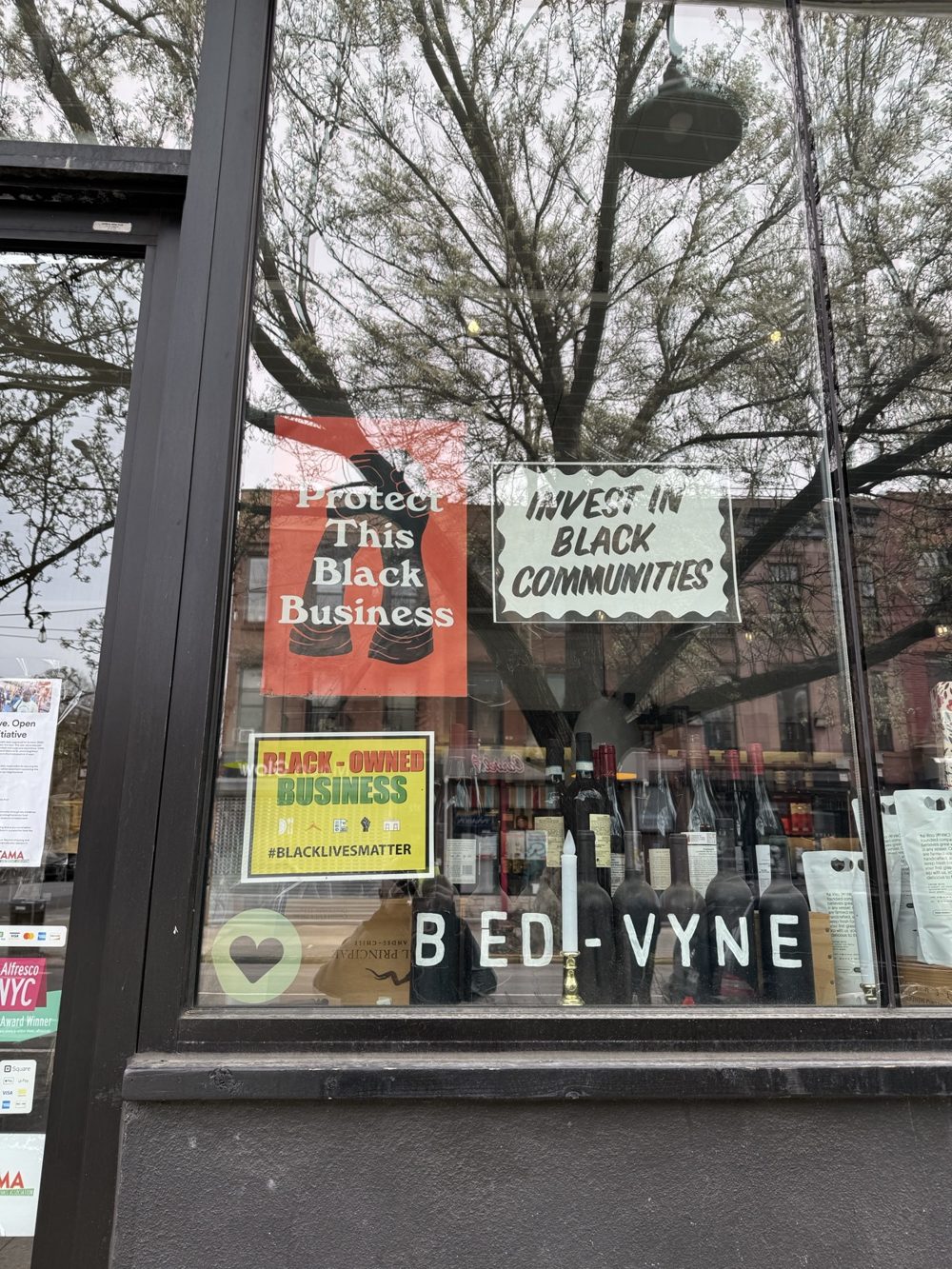
Every business owner has an identity, yet not all business owners disclose theirs to the market. Among owners whose identities have historically been bases for discrimination — marginalized identities — more than one in ten disclose, an empirical fact I document with nationally representative data. I theorize this strategic identity disclosure phenomenon and argue that the likelihood of disclosure varies with an owner’s perception that the surrounding community will receive their identity favorably. I propose that owners infer that support from the composition and expressed values of their communities. To an owner, the partisanship of their community is treated as a signal of anticipated solidarity. Matching Google Maps listings to federal loan records that establish owner identity independently of the disclosure choice, I find that owners are more likely to disclose a marginalized identity the more their local community’s vote for Democratic presidential candidates exceeds its votes for Republican candidates, and that this relationship is weaker for owners whose identities are not marginalized. I conclude that identity disclosure constitutes a strategic choice by owners and discuss the implications for theories of competitive positioning in markets.